Pre-Hospital Emergency Care Glossary
This glossary contains the words people can use while discussing about Pre-Hospital Emergency Care.
- ambulance
- noun
- Motor vehicle fitted out for the transport of the sick or injured.
- Example: On the day of admission, Mr was visited at home by his GP who immediately called an ambulance.
- en: ambulance

- aorta
- noun
- The main artery of the body, supplying oxygenated blood to the circulatory system. In humans it passes over the heart from the left ventricle and runs down in front of the backbone.
- Example: These include the pulmonary vein and thoracic aorta, and thus effective treatments are inevitably highly sought after and rapidly administered.
- en: aorte

- blood
- noun
- The red liquid that circulates in the arteries and veins of humans and other vertebrate animals, carrying oxygen to and carbon dioxide from the tissues of the body.
- Example: Although these cell populations are primarily measured in the blood, the majority of infection events occur in lymph nodes (LNs).
- en: sang
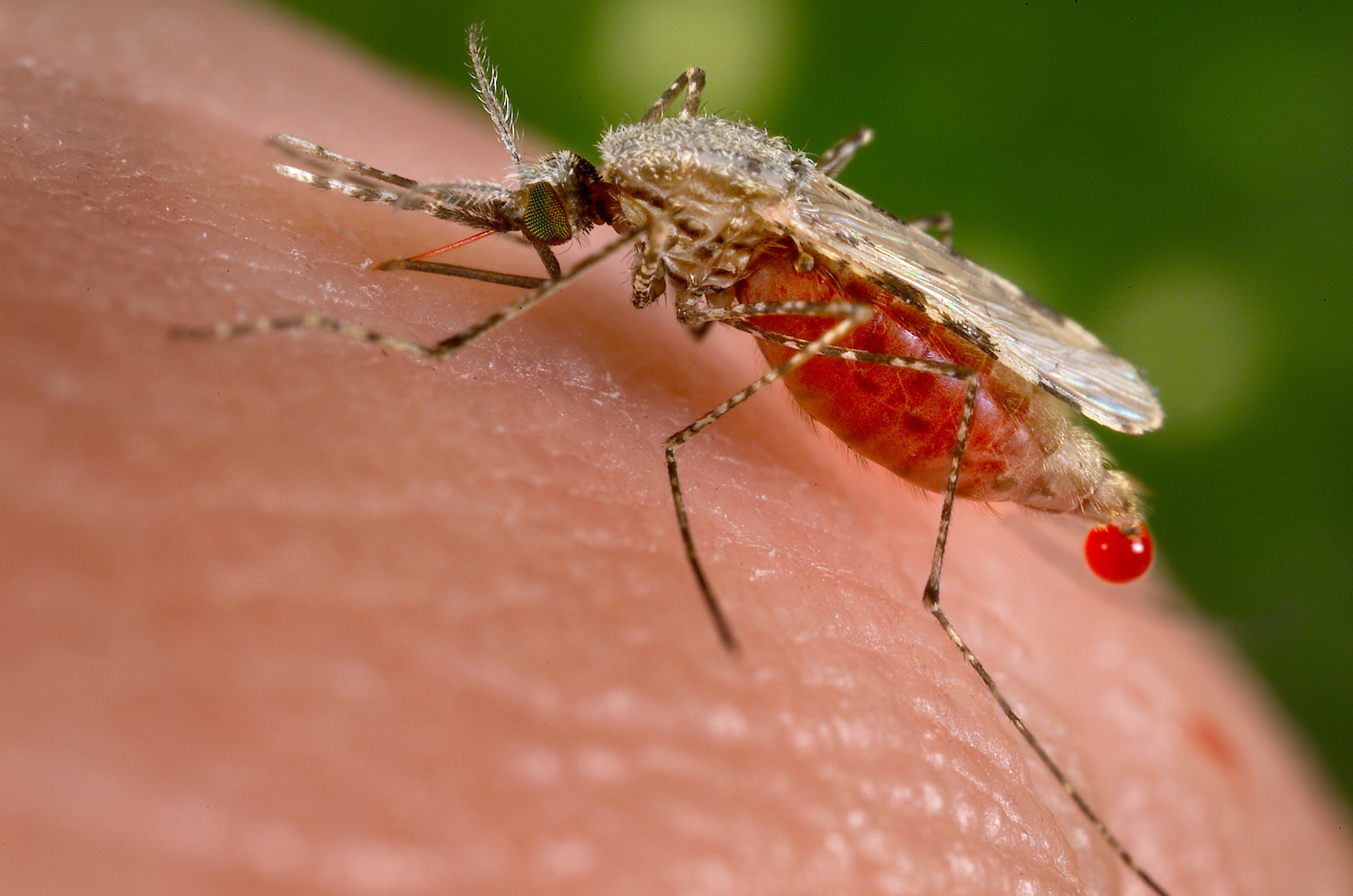
- blood pressure
- noun
- The pressure of the blood in the circulatory system, often measured for diagnosis since it is closely related to the force and rate of the heartbeat and the diameter and elasticity of the arterial walls.
- Example: Physiological stress indicators (blood pressure and heart rate) were also obtained at 15-minute intervals.
- en: pression artérielle

- bradycardia
- noun
- Abnormally slow heart action.
- Example: However bradycardia, hypotension and a reduced respiratory effort (or silent chest) may develop as the episode increases in severity and becomes life threatening.
- en: bradycardie
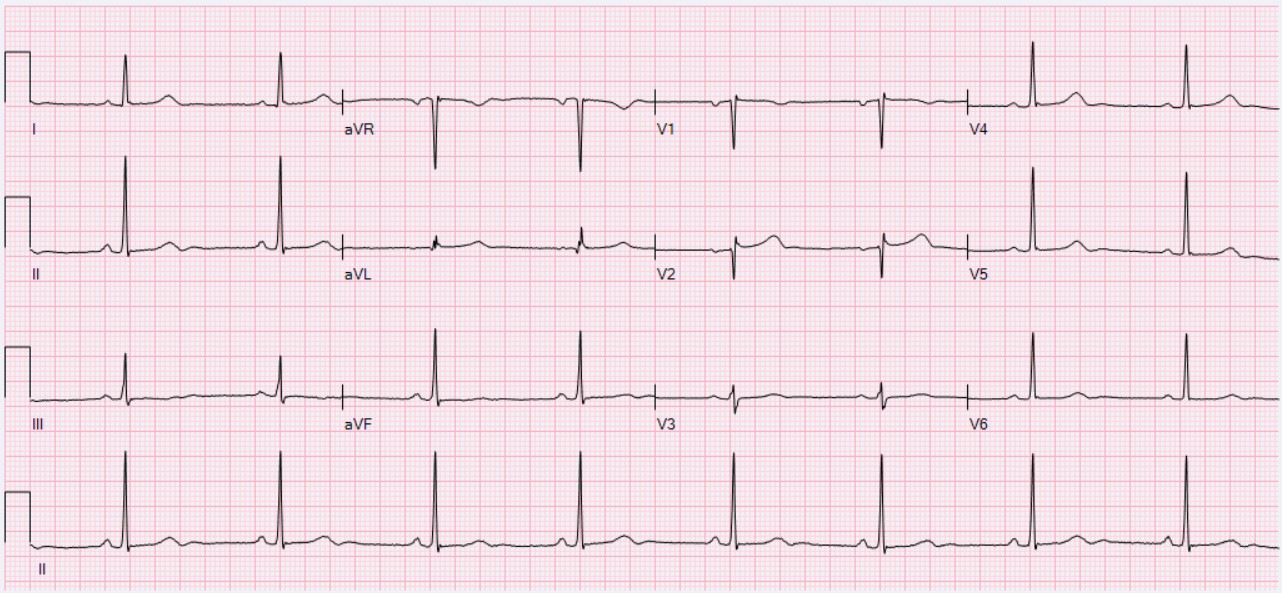
- Combitube
- noun
- Airway device with two lumens and obturator cuffs at two points, used to ventilate the trachea after blind insertion, whether the device is placed in the trachea or the esophagus.
- Example: The Combitube is designed to provide an airway to facilitate the mechanical ventilation of a patient in respiratory distress.
- en: Combitube

- drugs
- noun
- A medicine or other substance which has a physiological effect when ingested or otherwise introduced into the body.
- Example: Anomie has been linked to suicide, crime, delinquency, mental disorders, alcoholism and drugs addiction.
- en: médicaments

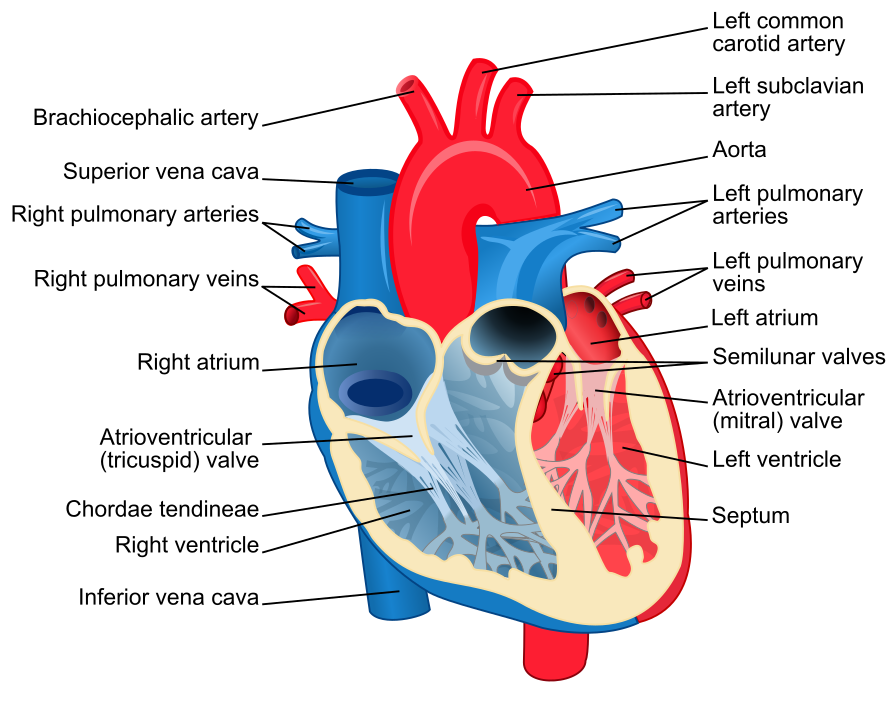
- heart
- noun
- A hollow muscular organ that pumps the blood through the circulatory system by rhythmic contraction and dilation. In vertebrates there may be up to four chambers (as in humans), with two atria and two ventricles.
- Example: Physiological stress indicators (blood pressure and heart rate) were also obtained at 15-minute intervals.
- en: coeur
- hospital
- noun
- An institution providing medical and surgical treatment and nursing care for sick or injured people.
- Example: The public would no doubt find it repugnant if the courts explicitly allowed shortages of resources to excuse a hospital causing damage to a patient.
- en: hôpital

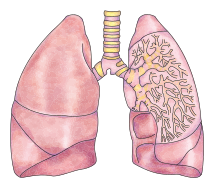
- lung
- noun
- Each of the pair of organs situated within the rib cage, consisting of elastic sacs with branching passages into which air is drawn, so that oxygen can pass into the blood and carbon dioxide be removed.
- Example: Nor would it be justifiable to conclude some causal connection between smoking and lung cancer on the evidence of just one heavy smoker contracting the disease.
- en: poumon
- mental health
- noun
- A person’s condition with regard to their psychological and emotional well-being.
- Example: By providing residents' choice of visually preferred environment in the outdoors can influence their emotions, which in turn may have an effect on their physical and mental health.
- en: santé mentale

- military tourniquet
- noun
- A tourniquet is a device that is used to apply pressure to a limb or extremity in order to limit – but not stop – the flow of blood.
- Example: The tourniquet is applied three to four inches above the needle insertion point and should remain in place no longer than one minute to prevent hemoconcentration.
- en: tourniquet militaire

- myocardial infarction
- noun
- Myocardial infarction is defined by pathology as myocardial cell death due to prolonged ischemia.
- Example: Cardiovascular problems Recent studies show a clear correlation between glycaemic control and the development of cardiovascular problems leading to cerebrovascular accidents, myocardial infarction and peripheral vascular disease.
- en: infarctus du myocarde

- oxygen mask
- noun
- A mask placed over the nose and mouth and connected to a supply of oxygen, used when the body is not able to gain enough oxygen by breathing air, for example at high altitudes, or because of a medical condition.
- Example: Oxygen masks are made in adult or pediatric format depending on the situation.
- en: masque à oxygène

- paramedic
- noun
- A person trained to give emergency medical care to people who are injured or ill, typically in a setting outside of a hospital.
- Example: All primary care protocols practiced by paramedics in Quebec are under the authority of the regional medical director and authorized by the provincial table of medical coordinators.
- en: technicien ambulancier paramedic

- salbutamol
- noun
- A synthetic compound related to aspirin, used as a bronchodilator in the treatment of asthma and other conditions involving constriction of the airways.
- Example: Salbutamol is prohibited for patients who have had trauma or obstruction of the airways.
- en: salbutamol

- stethoscope
- noun
- Instrument intended for auscultation, which transmits internal body sounds.
- Example: A stethoscope can be used to listen to the sounds made by the heart, lungs or intestines, as well as blood flow in arteries and veins.
- en: stéthoscope

- tachycardia
- noun
- Abnormally fast heart action.
- Example: For example an increased respiratory rate (>25 min) and tachycardia (>110 min) would be expected in a severe attack.
- en: tachycardie
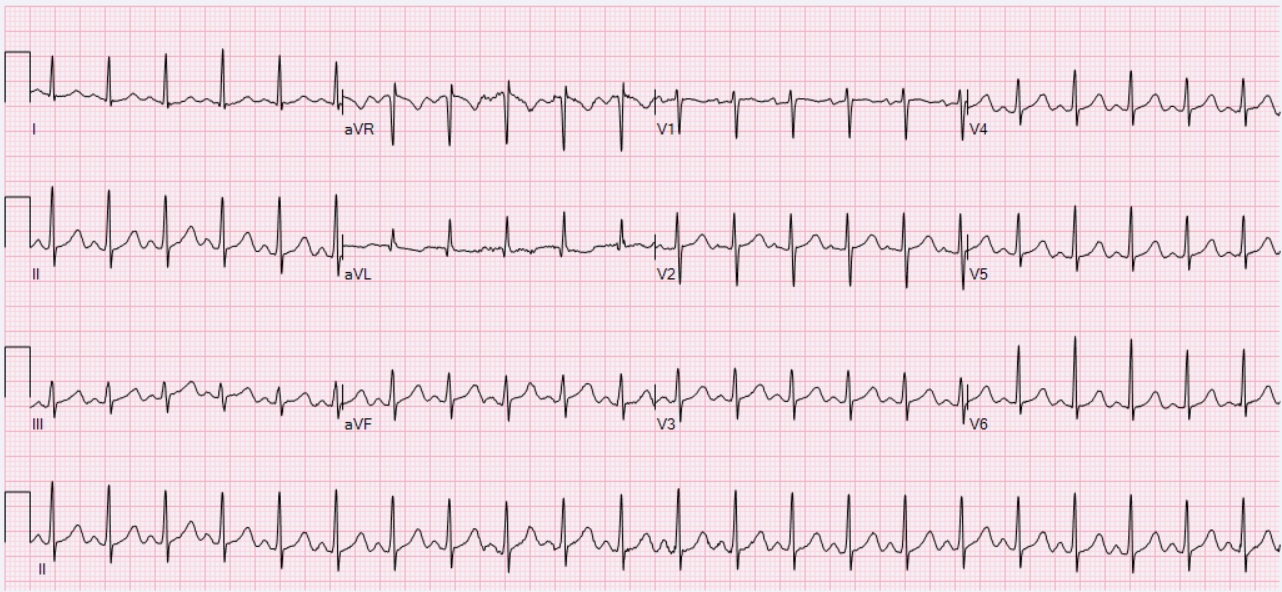
- ventricular fibrillation
- noun
- Ventricular fibrillation is a heart rhythm problem that occurs when the heart beats with rapid, erratic electrical impulses. This causes pumping chambers in your heart (the ventricles) to quiver uselessly, instead of pumping blood.
- Example: Ventricular fibrillation results in cardiac arrest with loss of consciousness and no pulse.
- en: fibrillation ventriculaire

- wound
- noun
- An injury to living tissue caused by a cut, blow, or other impact, typically one in which the skin is cut or broken.
- Example: Advice regarding foot care should be provided to help avoid infection and trauma of the feet as patients will be prone to poor wound healing.
- en: plaie
